
Materials
Turquoise and Silver: A Material Disclosure Guide
What “turquoise,” “silver-tone,” “925 silver,” treatments and natural variation should mean on a responsible product page.
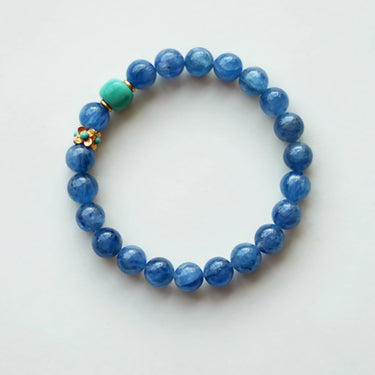
Turquoise and silver are visually important in many jewelry traditions, including objects connected with Tibet. That history does not remove the need for precise modern product descriptions.
Color is not identification
A blue-green stone may be natural turquoise, stabilized material, dyed stone, reconstituted material, glass or another imitation. Without supplier documentation or testing, the responsible label is “declared turquoise” or “turquoise-tone,” not a confident gemological conclusion.
Silver language should be measurable
“Silver-tone” describes color only. “Sterling silver” or “925 silver” is a fineness claim and should be backed by a supplier record, hallmark or testing appropriate to the item. A page should also identify mixed-metal findings and plated surfaces when known.
Natural variation and treatments
Stones can vary in color, matrix, translucency and surface. Treatments may affect both value and care. The product record should state known treatments and say when treatment history is unknown. CIBJO’s industry standards emphasize accurate nomenclature and disclosure across the jewelry supply chain.
How Snowland Muse publishes the claim
We first record the supplier’s declaration, then add supporting evidence when available. Product copy uses “declared” until the claim has been reviewed. Photographs are treated as visual evidence of the individual piece, not as proof of chemical composition.
Sources & editorial notes
What this guide is built on
- The Blue BooksCIBJO
Editorial note: AI supported structure and copy editing. Snowland Muse selected the sources and approved the final text.
Continue this topic
Materials & Craft
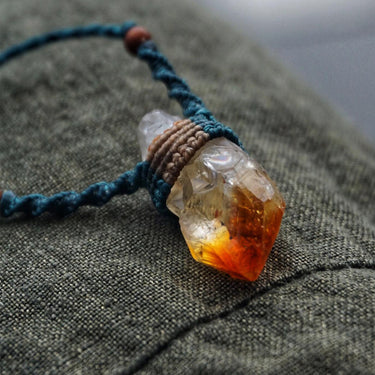
Silver-Tone vs 925 Sterling Silver: What the Words Actually Say
A color description is not a fineness claim. Learn what to request before comparing price, care or quality.
Read guide →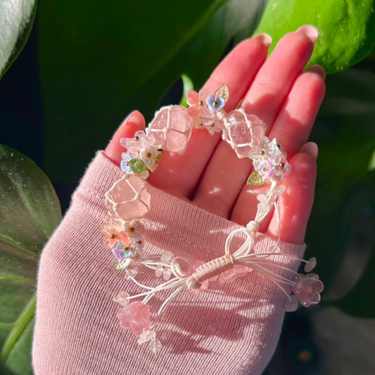
Natural Stone Symbolism Without Healing Claims
How to discuss color, personal meaning and tradition without turning jewelry copy into an unsupported health promise.
Read guide →